Why Your ED Medication May Be Failing You While You Sleep
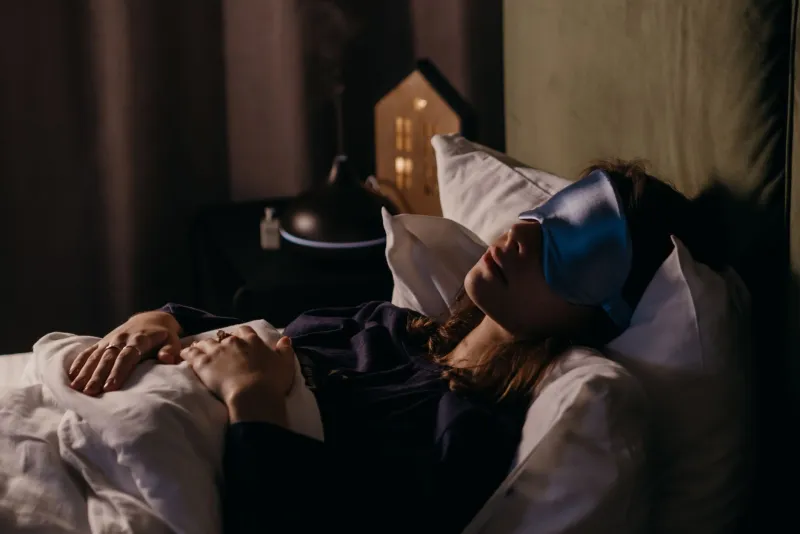
When sildenafil does not produce the results a patient expects, the instinct is often to question the dose, the timing, or the medication itself. Rarely does the conversation turn to what happens during the eight hours before the alarm goes off. Yet for a meaningful subset of men in the United States, the reason sildenafil underdelivers has less to do with pharmacology and more to do with a condition affecting an estimated 30 million Americans — obstructive sleep apnea.
The connection between disrupted sleep and impaired erectile function is not speculative. It is grounded in well-documented physiology, and it represents one of the more commonly overlooked variables in ED treatment planning.
What Sleep Apnea Actually Does to the Body
Obstructive sleep apnea occurs when the airway repeatedly collapses during sleep, causing brief but significant interruptions in breathing. These episodes — which can happen dozens or even hundreds of times per night — trigger a cascade of physiological consequences that extend far beyond fatigue.
Each apneic event causes a measurable drop in blood oxygen saturation. The body responds by activating the sympathetic nervous system, elevating cortisol levels, and triggering transient spikes in blood pressure. Over time, this cycle of nocturnal stress inflicts cumulative damage on the endothelium — the thin cellular lining of blood vessels responsible for regulating vascular tone and blood flow.
This is where the relevance to sildenafil becomes direct. Sildenafil works by inhibiting the enzyme phosphodiesterase type 5 (PDE5), which allows smooth muscle in penile blood vessels to relax and facilitates increased blood flow during arousal. The medication's effectiveness depends heavily on the health of the endothelium and the vessels it serves. When endothelial function is chronically compromised — as it is in men with untreated sleep apnea — sildenafil has a diminished biological foundation to work with.
The Clinical Evidence Linking Sleep Apnea to ED
Research published in peer-reviewed journals over the past two decades has established a statistically significant relationship between obstructive sleep apnea and erectile dysfunction. Studies have consistently found that men diagnosed with OSA report higher rates of ED compared to age-matched controls, and that the severity of sleep apnea often correlates with the degree of sexual dysfunction.
A particularly important mechanism involves nitric oxide. Healthy endothelial cells produce nitric oxide, which is essential for smooth muscle relaxation in the penis. Chronic intermittent hypoxia — the repeated oxygen deprivation characteristic of untreated sleep apnea — has been shown to impair nitric oxide synthesis and bioavailability. Since sildenafil operates downstream of nitric oxide signaling, a deficiency in nitric oxide production functionally reduces the drug's ceiling effect.
Additionally, sleep apnea is strongly associated with reduced testosterone levels. The majority of testosterone production occurs during deep sleep stages, which are disproportionately disrupted in men with OSA. Lower testosterone further compounds erectile difficulties and may reduce a patient's overall responsiveness to PDE5 inhibitors.
Recognizing the Warning Signs
One of the reasons sleep apnea so frequently goes undiagnosed is that its most obvious symptoms occur when the patient is unconscious. Many men are unaware they snore heavily, gasp during sleep, or experience repeated micro-arousals throughout the night. Their partners, if present, are often the first to notice.
That said, waking symptoms provide meaningful clues. Men with undiagnosed OSA commonly report:
- Persistent morning headaches
- Excessive daytime sleepiness despite adequate time in bed
- Difficulty concentrating or memory lapses
- Waking with a dry mouth or sore throat
- Mood disturbances, including irritability or low-grade depression
- Nocturia — waking repeatedly during the night to urinate
If a patient is experiencing suboptimal results from sildenafil and recognizes several of these symptoms, the overlap warrants a conversation with a physician. A formal sleep study — either conducted in a clinical sleep lab or through a validated home sleep apnea test — can confirm or rule out the diagnosis with a high degree of accuracy.
Why Treating Sleep Apnea Can Restore Medication Effectiveness
The encouraging finding in the research literature is that treating sleep apnea often produces meaningful improvements in erectile function — sometimes independently of medication, and frequently in ways that restore or enhance sildenafil's effectiveness.
Continuous positive airway pressure therapy, commonly known as CPAP, is the most widely prescribed treatment for moderate to severe OSA. By maintaining an open airway throughout the night, CPAP eliminates the repeated oxygen desaturations that drive endothelial damage. Studies examining men who achieved consistent CPAP compliance have reported improvements in erectile function scores, reduced symptoms of depression, and in some cases, partial recovery of testosterone levels.
For men who were previously categorized as sildenafil non-responders, addressing the underlying sleep disorder can shift the physiological landscape enough that the medication begins to function as intended. This is not a universal outcome, and the degree of improvement varies depending on how long the apnea went untreated and whether other comorbidities are present. However, the clinical rationale is sound: restore vascular health, and the medication has a better substrate to act upon.
What This Means for Pre-Treatment Screening
From a patient education standpoint, the practical takeaway is straightforward. Before concluding that a sildenafil regimen has failed, it is worth asking whether a sleep disorder may be undermining it. This is particularly relevant for men who are overweight, over the age of 40, have a collar size above 17 inches, or have been told by a partner that they snore or stop breathing during sleep — all recognized risk factors for OSA.
Physicians who specialize in men's sexual health increasingly recognize sleep assessment as part of a comprehensive ED workup. If your prescribing provider has not asked about sleep quality, daytime fatigue, or snoring, raising these concerns yourself is entirely appropriate. A referral to a sleep specialist or an order for a home sleep test is a low-burden, high-yield diagnostic step.
It is also worth noting that sleep apnea frequently coexists with other conditions that affect sildenafil's performance, including hypertension, type 2 diabetes, and metabolic syndrome. Identifying OSA often opens a broader conversation about cardiovascular health that benefits patients well beyond their ED treatment.
The Bottom Line
Sildenafil is a clinically effective medication with a well-established mechanism of action. When it underperforms, the explanation is not always found in the prescription itself. For men with undiagnosed or untreated obstructive sleep apnea, the nightly cycle of oxygen deprivation and vascular stress creates conditions that work directly against the drug's intended effects.
Addressing sleep apnea is not a workaround — it is good medicine. Patients who take the time to investigate and treat underlying sleep disorders may find that the medication they were ready to abandon begins, at last, to deliver on its promise.